
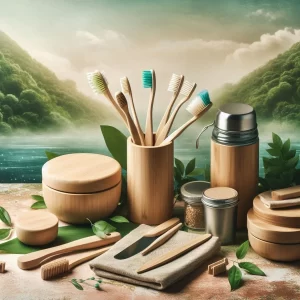
Plastic is everywhere — in our kitchens, bathrooms, offices, and increasingly, in our oceans, soil, and even our bodies. What was once celebrated as a cheap, convenient miracle material has become one of the biggest environmental challenges of our time. The good news? Every purchase we make is a chance to push back.
The Scale of the Plastic Problem
Most plastic isn’t designed to disappear — it’s designed to last. A single plastic toothbrush, comb, or pen can take hundreds of years to break down. Instead of decomposing, it breaks into smaller and smaller pieces called microplastics, which have now been found in rivers, farmland, drinking water, and marine life. In India specifically, mismanaged plastic waste continues to clog waterways, harm street animals who mistake it for food, and pile up in landfills that were never built to handle this volume.
The everyday items we don’t think twice about — toothbrushes, combs, pens, water bottles, ear buds — are often the biggest culprits, simply because we replace them so often.
Why “Small Swaps” Actually Matter
It’s easy to feel like individual choices don’t move the needle on a global problem. But everyday plastic items are exactly where change compounds fastest:
- They’re replaced constantly. A plastic toothbrush is used for a few months and then thrown away — forever. Multiply that by billions of people, and the impact of switching to a biodegradable alternative is enormous.
- They’re gateway habits. Once someone switches one product — say, a bamboo toothbrush — they’re far more likely to look at the rest of their routine differently.
- They send a market signal. Every eco-friendly purchase tells brands and manufacturers that demand for sustainable alternatives is real and growing.
What Makes a Product Genuinely Eco-Friendly
Not all “green” products are created equal, so it helps to know what to look for:
- Biodegradable or plantable materials — like neem wood, bamboo, or seed-embedded paper — that return safely to the earth instead of lingering for centuries.
- Low-impact manufacturing that doesn’t trade plastic pollution for equally damaging chemical processes elsewhere.
- Non-toxic, safe materials that are better not just for the planet, but for daily use — neem, for instance, is naturally antibacterial.
- Purpose beyond the product — brands that reinvest in causes like recycling initiatives, education, or animal welfare turn a simple purchase into something bigger.
Everyday Swaps That Add Up
You don’t need to overhaul your life overnight. Start with the items you replace most often:
- Swap a plastic toothbrush for a bamboo toothbrush
- Replace a plastic comb with a neem wood comb
- Trade disposable pens for plantable eco-friendly pens
- Choose a bamboo water bottle over single-use plastic bottles
- Use wooden ear buds instead of plastic-stemmed ones
Each one is a small, low-effort change — but stacked together across daily routines, the reduction in plastic waste is significant.
Buying With Purpose
Choosing eco-friendly products isn’t just about avoiding plastic — it’s about supporting a different way of doing business. When brands channel part of their impact into recycling programs, education for underprivileged children, animal rescue, or fair employment for women, a purchase becomes a small act of support for causes that matter, not just a transaction.
The plastic problem was built one convenient, disposable choice at a time. The solution can be built the same way — one thoughtful choice at a time.